
Photography Basic Settings
Wednesday, September 18, 2024
Photography Basic Settings
If you are a sports fan, you know what it means when a team goes into a “rebuilding year”. It is just when the owners or coaches decide its time to train new members and correct bad habits in others. And invariably, what team leadership says when they go into such a time is that they are going “back to basics.”
Sometimes it’s good for us as photographers to go back to basics. And, of course, if you are just getting started in the world of photography and want to learn “the ropes”, the basics are a natural start.
But you want the basics of what the professionals know about the craft of photography.
Anybody can take a picture.
Obviously, the cornerstone of the basics of photography is the camera. When you see a camera geek walking around with enough equipment on his neck to launch a space shuttle, you get the impression that cameras are phenomenally complex, more than mere mortals can grasp. But look at the professionals and you see them working with portable, relatively easy to operate cameras. That is because the basics of running a camera come down to aperture and shutter speed.
Whether its a Canon R5 a Samsung Galaxy or an iphone, the basic principles are the same.
Now don’t get nervous about fancy terms. Aperture is just a term for how wide your camera lens is open to let in light. And shutter speed is just how long you let the light come in to affect the picture. For getting a shot of a fast moving event, you want a wide aperture to let in a lot of light but a short shutter speed so you capture the event quickly and close the window so the picture is caught before more light hurts the quality.
Photography is really all about light. You can and will get to learn a lot about lenses and flash photography and other ways to turn the control over the lighting of a shot to you. So add to your core skills of photography a willingness to never stop learning. The better and more sophisticated you get in your ability to work with the equipment, the more you will learn and the more you will want to learn.
You can get a greater control over these basic controls of the camera such as aperture and shutter speed by learning how to switch from automatic settings to manual settings. The automatic settings of any camera are just there for the general public who are not interested in learning the basics. So they give you some basic settings like landscape, portrait and sports settings. By switching to manual, you can learn what settings work best in different situations.
This is a night time photo of the night sky with the trees as foreground. The shutter speed was 25 seconds and aperture was F2.8 which is the widest this lens could go to in order to take in as much light as possible.
And that takes us to the most important basic about becoming a great photographer and that is practice. Take some time with your equipment and play with it. Take it to situations and take photos with different aperture and shutter speed settings, in outdoor and indoor settings and different orientations to light. Don’t get upset when some shots don’t work. That’s part of the learning curve.
By learning by doing, you will build your confidence in your work and eventually become a great photographer. But don’t get cocky, there is always more to learn. And that is one of the fun things about photography, isn’t it?
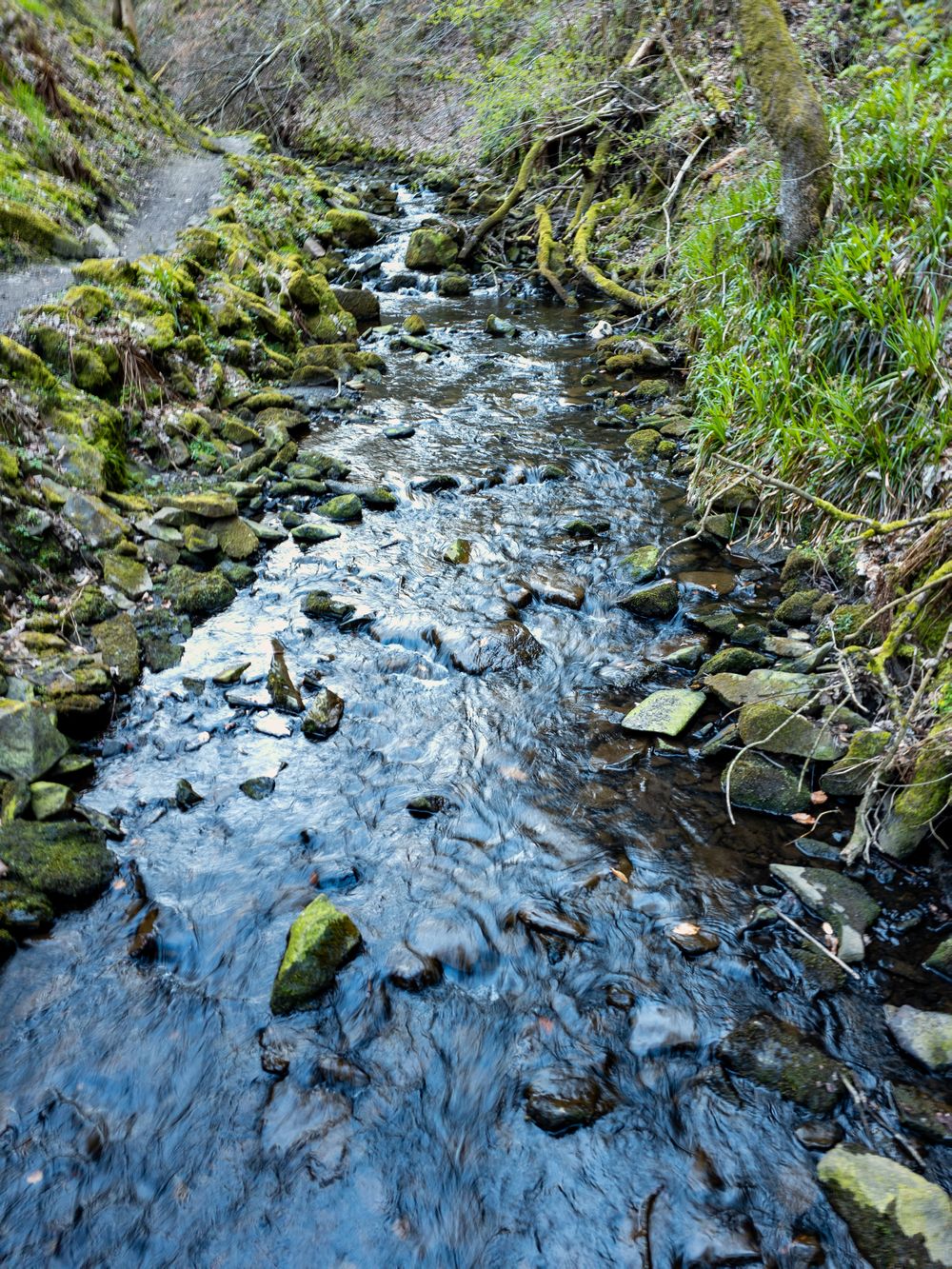
These were taken recently at a lake near me. I went with a black and white on the first one which seems to add another aspect to photography.
It invites a curious emotion from the audience and a kind of mystical art look to the picture.
If there are any questions regarding cameras or photography dont hesitate to get in touch here.

Hi, I'm Danny Fitzgibbon
Danfitz Photography
I have articles here that will help you get the basics about learning photography.
There'll be links in here also to tools I use whilst out and about.
Have a read and see what's good and keep reading because I'll be updating this section on a regular basis!
dan@danfitzphotography.com
SOCIAL
